
what is laminated glass windows
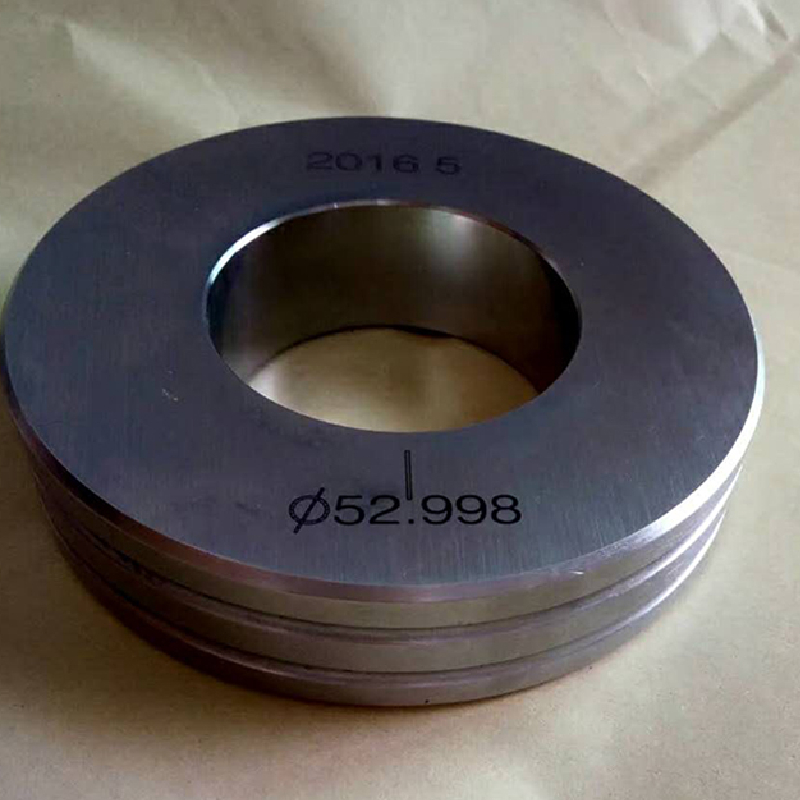
In the automotive industry, precision and reliability are non-negotiable. Even the smallest component defect can compromise safety, performance, and brand reputation. Plug gauges , plug ring gauges , and small hole gauges play pivotal roles in maintaining stringent quality control standards. These tools ensure dimensional accuracy, fit, and functionality of critical automotive parts, from engine components to intricate assemblies. Let’s explore their applications and how they elevate manufacturing excellence. The Role of Plug Gauge in Precision Measurement A plug gauge is a cylindrical measuring instrument designed to check the diameter of holes, slots, or other cylindrical bores. In automotive manufacturing, where holes of various sizes exist in parts like cylinder heads, transmission housings, and brake components, these gauges are indispensable. They verify whether a hole's diameter falls within the specified tolerance range, ensuring compatibility with mating parts such as bolts, pins, or shafts. For instance, in engine cylinder production, plug gauges ensure that the diameter of coolant passages and oil galleries meets design specifications. Inaccurate hole dimensions could lead to fluid leaks, overheating, or lubrication failures—issues that directly impact engine longevity. By providing quick, reliable measurements, plug gauges help manufacturers identify defects early in the production cycle, reducing waste and rework costs. Their simple yet effective design allows for easy integration into both manual inspection processes and automated quality control systems, making them a staple in automotive factories worldwide. Ensuring Shaft and Hole Compatibility with Plug Ring Gauge While plug gauges focus on hole measurements, plug ring gauges are designed to check the external diameter of shafts, pins, and other cylindrical components. In automotive assembly, proper shaft-hole fit is critical for smooth mechanical operation. A misaligned or incorrectly sized shaft can cause excessive wear, noise, or even mechanical failure. Plug ring gauges help manufacturers ensure that shafts—such as those in transmissions, drive axles, or steering systems—meet the precise dimensional requirements for optimal fit with their corresponding holes. Consider a transmission shaft that must fit seamlessly into a gear housing. A plug ring gauge quickly determines if the shaft's diameter is within the allowable tolerance, preventing issues like play (which causes vibration) or binding (which leads to excessive friction). These gauges are often used in conjunction with plug gauges to achieve a "go/no-go" inspection standard, where a part is only approved if both the hole and shaft gauges confirm proper fit. This dual-check system is vital in high-stakes applications where component interaction directly affects vehicle performance and safety. Small Hole Gauge: Mastering Micro-Dimensions in Automotive Components As automotive technology evolves, components are becoming smaller and more complex, especially in areas like fuel injection systems, electronic connectors, and hydraulic valves. These applications require precise measurement of small holes —often with diameters as tiny as a few millimeters or less. Traditional gauges may lack the sensitivity or design to measure such micro-dimensions accurately, making the small hole gauge an essential tool. Small hole gauges are engineered with fine-tipped probes and high-precision mechanisms to measure intricate bores in parts like fuel injector nozzles, which require ultra-small holes for optimal fuel atomization. Inaccurate measurements here could lead to poor combustion, reduced fuel efficiency, and increased emissions. These gauges also excel in inspecting holes in electronic components, such as connector sockets, where dimensional precision ensures reliable electrical contact. By addressing the unique challenges of small-scale measurements, small hole gauges enable manufacturers to meet the strict standards of modern automotive engineering, where every micron matters. FAQ: Maximizing the Value of Plug Gauge, Plug Ring Gauge, and Small Hole Gauge What Are the Key Advantages of Using Plug Ring Gauge in Automotive Production? The primary benefits include unmatched precision, rapid inspection capability, and durability. Plug ring gauges offer immediate "go/no-go" results, reducing inspection time while ensuring consistent shaft diameter compliance. Their robust construction withstands frequent use in harsh manufacturing environments, providing long-term reliability and cost-effectiveness. How Does a Small Hole Gauge Improve Quality Control for Miniature Components? Small hole gauges are specifically designed to measure diameters in the sub-millimeter range with high accuracy. They feature adjustable probes and ergonomic designs that allow access to hard-to-reach small holes, ensuring no dimension is overlooked. This is critical for components like micro-valves or sensor housings, where dimensional errors can disrupt entire systems. Can Plug Gauges Be Used for Both Manual and Automated Inspections? Yes, plug gauges are highly versatile. Manual models are ideal for quick spot-checks on the factory floor, while automated versions can be integrated into robotic arms or coordinate measuring machines (CMMs) for high-volume, repetitive inspections. This flexibility makes them suitable for all stages of production, from prototyping to mass manufacturing. What Makes Plug Ring Gauges Better Than Other Shaft-Measuring Tools? Unlike calipers or micrometers, which require operator skill and time to interpret readings, plug ring gauges provide instant pass/fail results. This minimizes human error and speeds up quality control processes, especially in high-throughput automotive assembly lines where efficiency and accuracy are equally important. How Can I Ensure Longevity and Accuracy of P lug Gauges? Regular calibration and proper maintenance are key. Store gauges in clean, dry environments, avoid dropping or mishandling, and follow the manufacturer's recommended calibration schedule. Investing in high-quality gauges from trusted suppliers ensures they retain their precision over years of use, providing a solid return on investment for your quality control operations. In conclusion, plug gauges , plug ring gauges , and small hole gauges are not just tools—they are the backbone of automotive quality control. By ensuring dimensional accuracy at every stage of production, these instruments safeguard against defects, enhance component performance, and uphold the rigorous standards that modern vehicles demand. Whether you're inspecting large engine components or tiny electronic parts, the right gauge can make all the difference in delivering products that combine safety, reliability, and excellence.
about
what is laminated glass windows
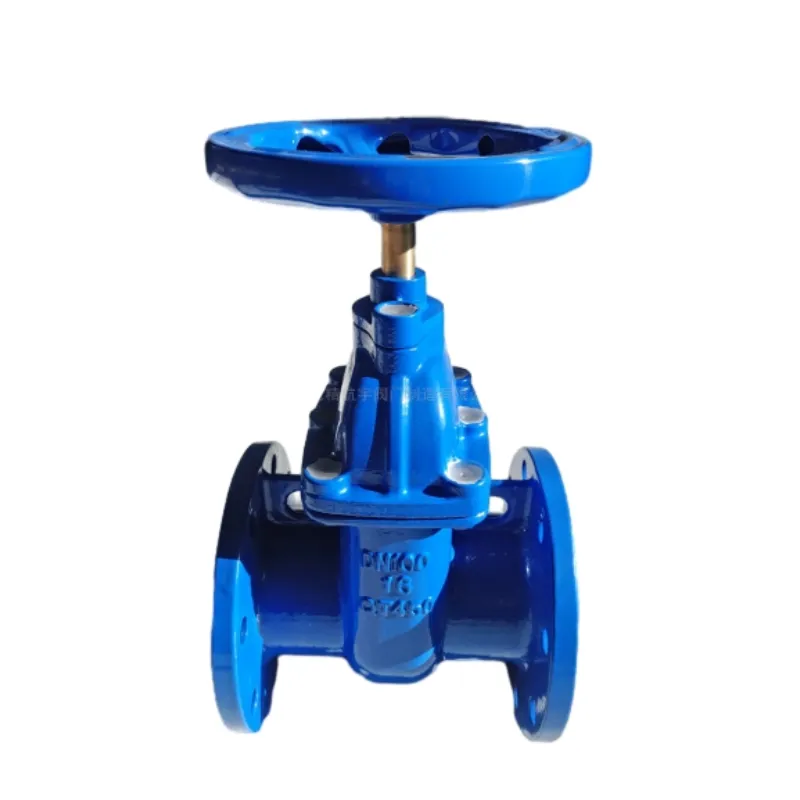
Understanding One-Way Ball Check Valves Functionality and Applications One-way ball check valves are integral components in various fluid systems, ensuring the unidirectional flow of liquids while preventing backflow. These valves play a crucial role in many industrial, commercial, and residential applications, contributing significantly to system efficiency and reliability. This article explores the structure, working principle, advantages, and applications of one-way ball check valves. Structure and Working Principle A one-way ball check valve consists of a valve body, a ball, and a seat. Typically manufactured from materials such as brass, stainless steel, or plastic, these valves are designed to withstand high pressure and corrosive environments. The primary function of a one-way ball check valve is based on a simple yet effective mechanism. Inside the valve body, a ball is positioned atop a seat. When fluid flows in the intended direction, the fluid pressure pushes the ball away from the seat, allowing the liquid to pass through. However, if the flow direction reverses, the ball is pushed back onto the seat, sealing the valve and preventing any backflow. This one-directional characteristic is pivotal in maintaining system integrity and preventing contamination or damage from reverse flow. Advantages of One-Way Ball Check Valves One-way ball check valves offer several advantages that make them a preferred choice in many applications 1. Simplicity and Reliability The design of the ball check valve is straightforward, ensuring minimal maintenance and high reliability over time . With fewer parts than other valve types, they are less prone to mechanical failures. 2. Low Pressure Drop The smooth surface of the ball and the streamlined flow path contribute to a low-pressure drop across the valve, making it energy-efficient. This is particularly important in systems where maintaining pressure is essential, such as HVAC applications and irrigation systems. 3. Wide Range of Applications One-way ball check valves can be used in a variety of applications, including water supply systems, wastewater treatment, irrigation, and more. Their versatility allows for use in different industries, including agriculture, pharmaceuticals, and food processing. one way ball check valve 4. Preventing Contamination By preventing backflow, these valves help maintain the purity of fluids, which is crucial in applications where contamination can lead to severe consequences. This makes them indispensable in the food and beverage industry as well as in chemical processing. 5. Compact Design The compact nature of one-way ball check valves means they can be easily integrated into various systems without requiring significant changes to existing infrastructure. Their lightweight design also helps in reducing the overall weight of piping systems. Applications of One-Way Ball Check Valves One-way ball check valves find their application across a wide range of fields due to their versatile nature. Some prominent applications include - Water Supply Systems They are commonly used in water supply lines to prevent backflow, ensuring that clean water does not mix with wastewater. - Wastewater Treatment In sewage systems, one-way ball check valves help maintain system pressure and prevent the backflow of contaminated water into treatment facilities. - HVAC Systems These valves are used in heating, ventilation, and air conditioning systems to prevent backflow in refrigerant lines and ensure efficient operation. - Irrigation Systems In agricultural applications, they help maintain consistent water flow and protect against backflow, which can lead to contamination of freshwater sources. - Industrial Applications Manufacturing processes often utilize one-way ball check valves to control fluid flows in pumps and pipelines to ensure process integrity and safety. Conclusion One-way ball check valves play a crucial role in modern fluid management systems by providing effective backflow prevention and maintaining the efficiency of fluid transport. Their simple yet effective design, combined with their reliability and versatility, makes them an indispensable component in various applications. As industries continue to evolve, the demand for efficient and reliable fluid control devices like one-way ball check valves will undoubtedly persist, underlining their importance in both current and future engineering solutions. Understanding their functionality and appropriate applications enhances the ability to design robust systems that ensure both safety and efficiency, ultimately leading to advancements in fluid management technology.
-

High quality industrial productsagement

High quality industrial products
View Details -

Meet the diverse needs of customers

Meet the diverse needs of customers
View Details -

Strict quality control

Strict quality control
View Details -

Top raw materials

Top raw materials
View Details -

Trusted supplier

Trusted supplier
View Details
Our application

news and information
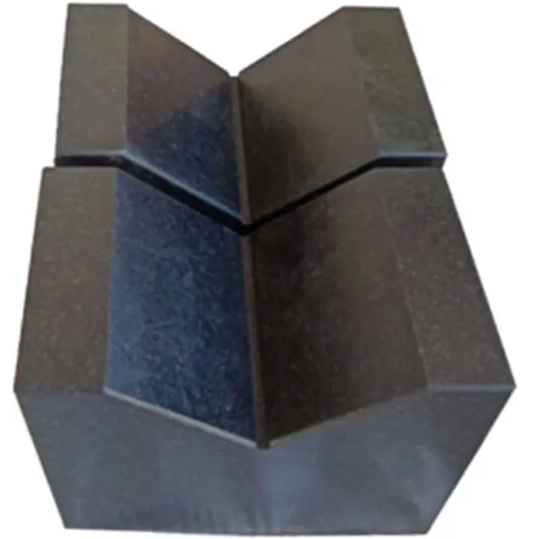
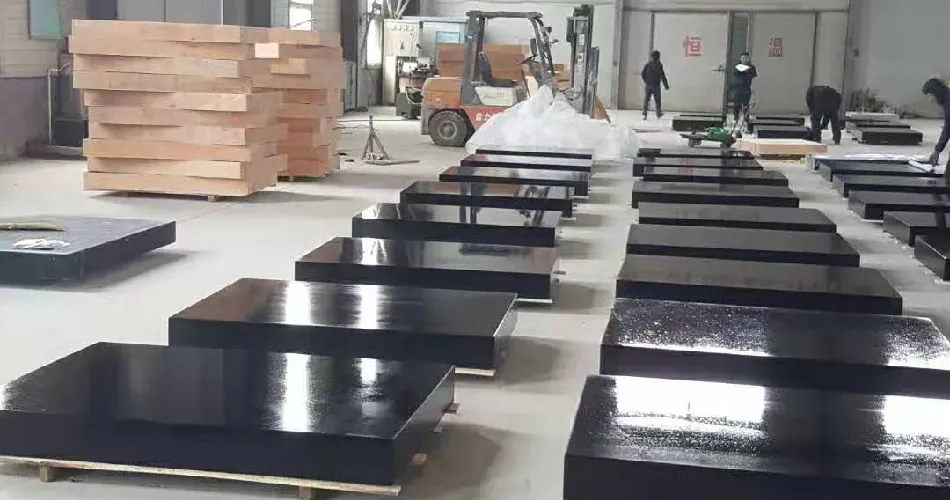
v block made of
Understanding V-Block Made Of A Fundamental Tool in Manufacturing In the world of manufacturing and
Verktyg för att mäta och utvärdera prestationer och framsteg
measuring tool .
Using a Spirit Level for Accurate Measurements in Construction and DIY Projects
Understanding the Spirit Level A Essential Tool in Precision Measurement The spirit level, an instru
 English